
What the FCC Ban on Foreign-Made Routers Means for U.S. Consumers
The action doesn’t apply to routers currently on store shelves, but it raises questions about future supplies. Here’s what you need to know.
In March, citing national security concerns, the Federal Communications Commission said it was banning all new foreign-made WiFi router models from being imported or sold in the U.S. And because almost every router available today is manufactured overseas, this understandably raised a lot of questions. The good news: If you already own a WiFi router, nothing changes for you.But the decision could reshape the router market in the months and years ahead. Here’s what you need to know.
What’s the Reason for the Ban?
The FCC said it was acting on a directive from a White House-convened national security body that found that foreign-produced WiFi routers pose “unacceptable risks” to national security. The agency specifically cited the recent state-sponsored Volt Typhoon, Flax Typhoon, and Salt Typhoon cyberattacks, which exploited vulnerabilities in home and small-office routers to gain access to American networks and critical infrastructure.
Does This Affect the Router You Already Own?
No. The FCC has been clear on this point: If you already own a WiFi router, you can continue using it. Retailers can also keep selling models that have received FCC authorization (confirmed by an FCC ID on the device). The ban applies only to models that have not yet completed the FCC’s equipment authorization process.
Are Any Routers Actually Made in the U.S.?
This is the big question. We’re not aware of any major consumer router manufacturer that currently makes its products domestically. Even American-headquartered companies typically produce their routers overseas. Netgear manufactures models in Vietnam and Taiwan. Google’s Nest models are made in Vietnam and China.
The FCC defines “produced” broadly, according to the agency’s FAQ. It covers not just where a router is physically assembled, but also where it’s designed and developed. That means even a router made by an American company could be considered foreign-produced if key steps in the process occur overseas.
Should You Rush Out and Buy a New Router?
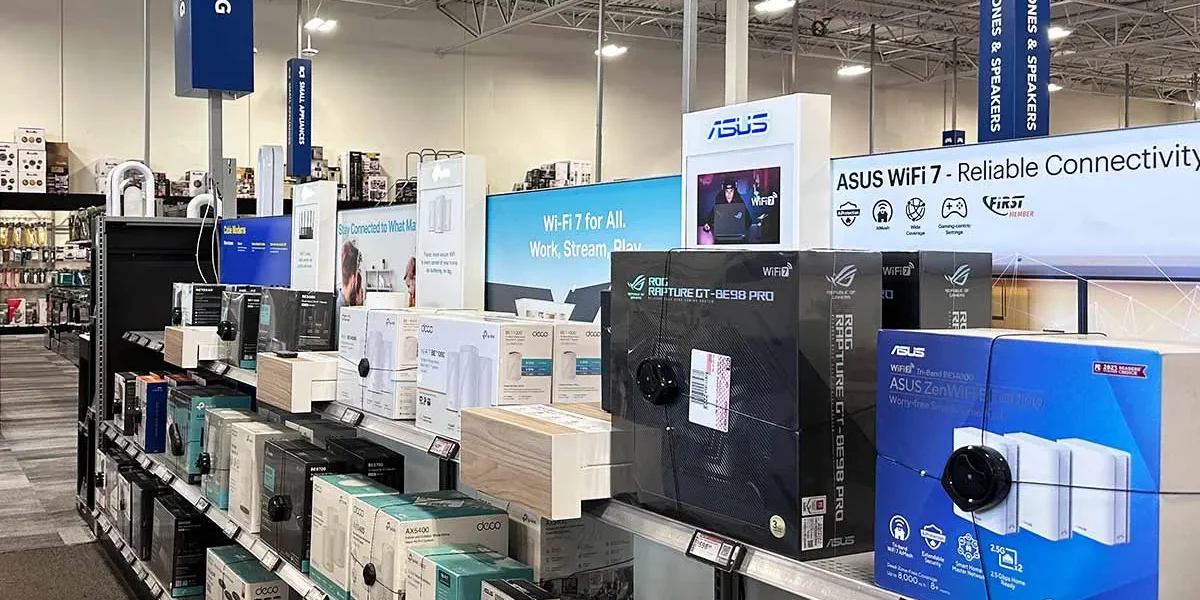
There’s no reason to panic-buy. The routers currently on store shelves have been authorized by the FCC and are perfectly legal to purchase and use. This isn’t a situation where products are being pulled off shelves. And companies can continue to manufacture, import, and sell their current models in the United States.
Share Your Thoughts on this Article via our LinkedIn Thread!